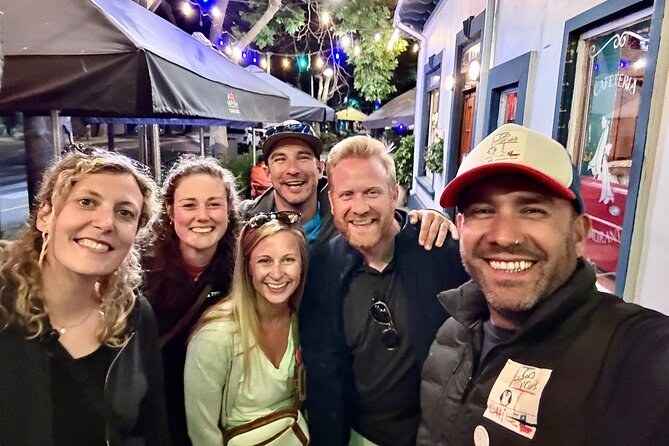
Taste 10 Types of Wine in 3 exclusive Casablanca’s Vineyard
Three Casablanca bodegas in an afternoon, with hotel pickup and a cap of six.
From $250 per person (min. 2)
Check AvailabilityValparaiso is temperate all year, so the thing the weather decides here is not heat but rain, and a wet stairway changes a walking day more than a cold one does. Here is what each month does in numbers, what it means for a day on the hills, and when to come. It is the planning page for any valparaiso chile tours.
Almost everything you will do in this city happens outdoors and uphill. The paseos, the murals, the markets and the port are all open air, and the way between them is cobbles and stairs. Wet cobbles are slippery and steep wet stairs are worse, and that is the whole of what the rain does to your day.
The temperature barely moves. Afternoons run from 15.0 °C in July to 23.3 °C in January, a range of 8.3 °C across the whole year, because the Humboldt Current cools this coast in every season. You will never be too hot here, and you will want a windproof layer in every month of the year.
The rain is the whole story, and it is concentrated: May, June and July carry 96.0, 161.7 and 89.3 mm between them, while December to March carry under 4 mm each. Two calendars overlap neatly, because the cruise season runs 5 October to 15 April, which is the dry half of the year.
A wet forecast is a reason to change the plan, not the trip. Book something with free cancellation, and if the week looks wet, a Casablanca Valley wine day spends most of its hours indoors.
The figures below are the Dirección Meteorológica de Chile normals for the 1991–2020 period, recorded at the Rodelillo station in the city. Remember that the seasons are the southern hemisphere's: January is high summer and July is midwinter.
High summer, and the driest month of the year: 0.7 mm of rain across the whole month. Afternoons average 23.3 °C and nights 12.4 °C. The cruise season is in full swing and the paseos are busy by mid-morning. Start early, carry water, and leave the rain jacket at the hotel.
Chile's own holiday month, with 1.1 mm of rain and afternoons at 22.6 °C. Nights hold at 12.3 °C. La Sebastiana stays open until 7pm this month and next, which buys a late visit after the walking tours finish. Book a guided walk further ahead than usual.
The best-kept month here: 3.9 mm of rain, afternoons still at 22.0 °C, and the summer crowds gone home. Nights cool to 11.7 °C. Light is long and low by late afternoon, which is when the painted hills photograph best. Bring a layer for the evening.
The turn. Rain jumps to 20.4 mm over about two wet days, and afternoons ease to 19.9 °C. The cruise season runs to 15 April, so the quarter empties after that. Stairways get slick when they are wet, so shoes with grip earn their place from this month on.
Winter arrives: 96.0 mm of rain across roughly four wet days, with afternoons at 17.3 °C and nights at 9.1 °C. Between the fronts the air is clear and the views are the sharpest of the year. Book something with an indoor half, such as a Casablanca cellar afternoon.
The wettest month, at 161.7 mm over about six wet days, and the coldest afternoons of the year at 15.5 °C. Nights fall to 7.9 °C. Walking tours still run, and the funiculars are a comfort rather than a novelty. Take a waterproof and plan the museums for the afternoon.
Midwinter, with 89.3 mm of rain and afternoons at 15.0 °C, the coolest of the twelve. Nights average 7.0 °C. It is the quietest the historic quarter gets, and the guides have time to talk. Wrap up, and treat any dry day as the one to walk the cerros.
Still wet at 88.7 mm, and beginning to turn: afternoons at 15.6 °C, nights at 7.2 °C. Rain comes in bands rather than all day, so a morning indoors and an afternoon on the paseos often works. Wine days run whatever the sky does, and the cellars are warmer than the street.
Spring, and the rain drops to 37.9 mm over under three wet days. Afternoons reach 16.9 °C. Chile's national holidays fall in the middle of the month and the city fills for them, so book a guided walk ahead. The hills are green for the only time in the year.
The month the year opens up: 15.5 mm of rain, afternoons at 18.6 °C and the cruise season starting on the 5th. Nights are still cool at 8.6 °C. Long dry spells return, which makes this the first reliable month for a full day on foot.
Dry again at 5.0 mm, with afternoons at 20.9 °C and nights at 9.8 °C. The sea breeze gets up in the afternoon, so the top of a cerro is cooler than the port. It is the best balance of the year: summer light, spring emptiness and almost no rain.
Summer proper, with 3.7 mm of rain and afternoons at 22.3 °C. Nights hold at 11.2 °C. Ships call through the month and the Christmas weeks fill the small group walks, so book as soon as your dates are firm. Sun protection matters on the unshaded paseos.
| Season | Afternoons | Rain a month | What it means for you |
|---|---|---|---|
| Summer (December to February) | 22.3 – 23.3 °C | 0.7 – 3.7 mm | Dry, bright and busy; book the small-group walks well ahead |
| Autumn (March to May) | 17.3 – 22.0 °C | 3.9 – 96.0 mm | March is the sweet spot; rain arrives in earnest during May |
| Winter (June to August) | 15.0 – 15.6 °C | 88.7 – 161.7 mm | The wettest and quietest; plan indoor halves and take grip |
| Spring (September to November) | 16.9 – 20.9 °C | 5.0 – 37.9 mm | Green hills, returning ships and almost no rain by November |
Take the port and the markets in the morning: Caleta Portales works at first light and the Mercado El Cardonal is busiest before you have had lunch. The walking tours start between 9am and 10am for the same reason.
Late afternoon for the hills. Valparaiso faces roughly west across its bay, so the painted house fronts take the sun late in the day and the bay goes flat and hard at noon. Give yourself the last hour before sunset on Paseo Atkinson or Paseo 21 de Mayo, which is the one photographers come for.
The sea breeze gets up most afternoons, so the top of a cerro runs a degree or two under the port. That is what your windproof layer is for, whichever month you come in.
The climate figures are the national weather service's own normals; the cruise calendar is the port authority's.
Three Casablanca bodegas in an afternoon, with hotel pickup and a cap of six.
From $250 per person (min. 2)
Check Availability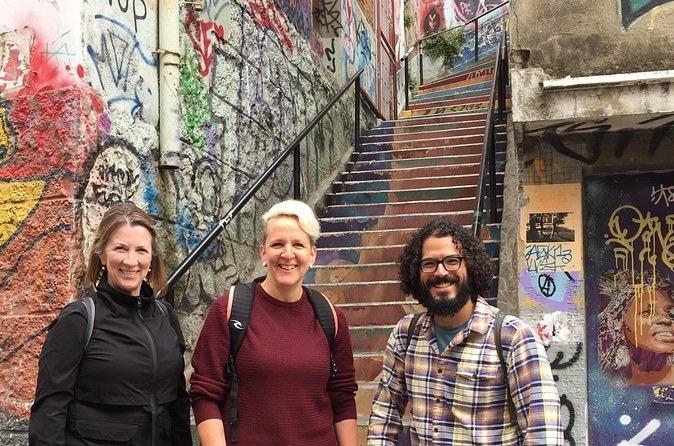
The lifts rather than the stairs: three and a half hours, and step-free by its operator.
From $40 per person
Check Availability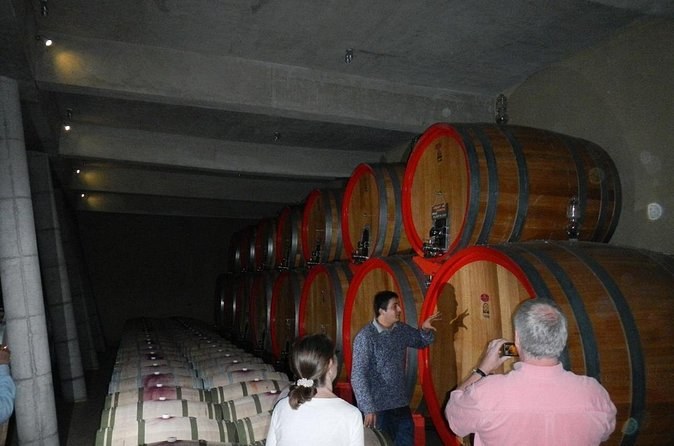
A private car to two Casablanca cellars; the tasting itself is shared, and the refund window is three days.
From $273 per person
Check AvailabilityWhat a day costs is on visiting Valparaiso, which hills to walk on the neighborhoods page, and every guided day on Valparaiso Tours.