The Best Time to Visit Valparaiso: Two Calendars That Overlap
The short version. Two calendars govern this city and they run opposite each other. Rain is concentrated in May, June and July, which carry 96.0, 161.7 and 89.3 mm against under 4 mm in each of December to March. The cruise season runs 5 October to 15 April, which is the dry half. So the dry months are the busy months, and the two best weeks of the year are the shoulders: March, and November.
In this guide
- What does the weather actually decide here?
- How concentrated is the rain?
- Which is the single best month?
- Is the southern hemisphere confusing anyone?
- What is winter actually like?
- When is the city busiest?
- Does the month change which tour to book?
- Does the month change what you pay?
- Which month suits which kind of visit?
- What about the wine harvest?
- What happens to the tours in the wet months?
- Is there a bad month to come?
- So when should you come?
- Frequently asked questions
"When should I go" usually has a dull answer. Here it has a specific one, because the rainfall is not shaded across the year but concentrated into three months, and because the thing that fills the city is timetabled. Below is what each season does, with the numbers from the official normals and the port's own calendar. Every guided day that runs in them is compared with valparaiso chile tours.
What does the weather actually decide here?
Not heat. The temperature barely moves: afternoons average 15.0 °C in July and 23.3 °C in January, a range of 8.3 °C across the whole year, because the Humboldt Current cools this coast in every season.
What it decides is grip. Everything you do here is outdoors and uphill, on cobbles and stairways, and wet ones change a walking day completely. That is the whole of the weather question in this city.
How concentrated is the rain?
| Season | Afternoons | Rain a month | Ships | What it means |
|---|---|---|---|---|
| Summer (Dec–Feb) | 22.3 – 23.3 °C | 0.7 – 3.7 mm | In season | Dry, bright, busy; book the small walks well ahead |
| Autumn (Mar–May) | 17.3 – 22.0 °C | 3.9 – 96.0 mm | Until 15 April | March is the best month of the year; May turns |
| Winter (Jun–Aug) | 15.0 – 15.6 °C | 88.7 – 161.7 mm | None | Wet and empty; plan indoor halves and take grip |
| Spring (Sep–Nov) | 16.9 – 20.9 °C | 5.0 – 37.9 mm | From 5 October | Green hills, returning ships, almost no rain by November |
Those figures are the Dirección Meteorológica de Chile normals for 1991–2020 at the Rodelillo station in the city. The month-by-month breakdown is on the weather page.
Which is the single best month?
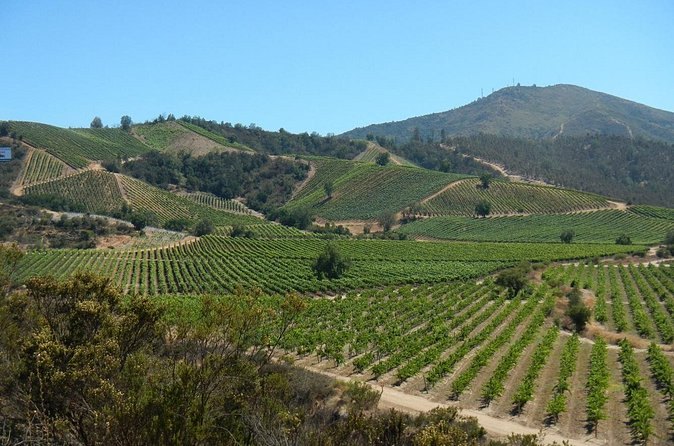
March, narrowly. Afternoons still average 22.0 °C, rain is 3.9 mm across the whole month, the summer crowds have gone home and the cruise season still has six weeks to run. The light in the second half of the afternoon is the best of the year for the painted hills.
November is the close second and the better choice if you dislike crowds: 5.0 mm of rain, 20.9 °C afternoons, green hills, and the ships only beginning to return.
Is the southern hemisphere confusing anyone?
It confuses most northern visitors once. January is high summer here and July is midwinter, so a European planning a June trip for good weather is planning it for the wettest month of the Valparaiso year, at 161.7 mm across about six wet days.
The Chilean holiday month is February, which is the second driest and also the busiest with domestic travellers. Chile's national holidays fall in mid-September and fill the city for a long weekend.
What is winter actually like?
Cool, wet and empty, and better than it sounds. Afternoons at 15 °C are perfectly walkable, the rain falls in bands rather than all day, and the guided walks run anyway. What you get in exchange is a city with almost no other visitors in it and guides who have time to talk.
What you lose is the reliable afternoon. If you are coming for photographs, this is the wrong half of the year; if you are coming to understand a place, it is arguably the right one.
The weatherproof booking. A Casablanca Valley wine day spends most of its hours indoors and runs whatever the sky does. The wine tours page sets out what each one covers.
When is the city busiest?
January and February for domestic and international visitors together, and any day with two ships in port. Thirty calls are scheduled between 5 October and 15 April, nine of them overnight, and on eight dates two ships coincide.
On those days the quarter is noticeably busier from mid-morning, the paseos are crowded, and the ten-place walking tours sell out first. An early start is worth more than a long lunch on a double-ship day.
Does the month change which tour to book?
- December to March: anything. The walking days are at their best and the light is long.
- April and September: anything, with a jacket. These are the quiet shoulders.
- May to August: favour the wine days and the panoramic tour, which spend more time under cover and less on wet staircases.
- Cruise weekends: book the small-group walks several days out rather than on the morning.
Does the month change what you pay?
Not directly. The fares on the listings here do not carry a seasonal band, so a walk costs the same in July as in January. What changes is availability: the ten-place walks and the six-place wine afternoon fill in the summer weeks and over a double-ship weekend, and what sells out first is always the small product rather than the coach.
The indirect cost is worth naming. In the dry months you are competing for the same guides as everybody else and booking three to five days out; in the wet months you can often book the day before and have the guide to yourself. If your dates are fixed and they fall in February, the practical answer is to book the guided day before you book the restaurant.
Which month suits which kind of visit?
- Photography: March and November, for the long low afternoon light and the clear air between fronts.
- Walking the hills all day: October to April, when the cobbles are dry and the stairways are safe.
- Wine: March and April for the harvest, though a tasting runs in every month.
- Museums and markets: May to August, when the weather pushes you indoors anyway and the city is empty.
- A cruise call: whatever month your ship arrives, between 5 October and 15 April.
Notice that only one of those points at the peak summer weeks. January and February are the driest months and the most crowded, and unless you are tied to a northern holiday there is usually a better fortnight either side of them.
What about the wine harvest?
The Casablanca Valley picks in the southern autumn, so March and April are when the cellars are working rather than merely open. The valley's first commercial vines went in in 1982 and it took its own denomination in 1994, and its Sauvignon Blanc and Chardonnay exist because the fog off the Humboldt Current keeps it cool.
A tasting is a tasting in any month, and every wine day here covers the fee in the fare. Harvest simply means the place is busy with its actual work while you are there.
What happens to the tours in the wet months?
They run. The walking days go out in the rain and the funiculars keep their hours, which is one reason the lifts feel like a comfort rather than a novelty in June. Several operators keep the right to cancel in bad weather or when too few people book, and they offer another date or a refund when they use it.
What changes is the shape of a good day. In winter the sensible plan is an indoor half and an outdoor half: the two house museums, the naval museum or a Casablanca cellar in the morning, and the paseos in whatever dry window the afternoon gives you.
Is there a bad month to come?
No, and that is worth saying plainly. June is wet, but 161.7 mm across six wet days still leaves twenty-four dry ones, and the museums, the markets, the lifts and the cellars all work whatever the sky does.
What there is instead is a wrong expectation. Arrive in June expecting the postcard and you will be disappointed; arrive expecting an empty, dramatic port city with a guide who has time for you, and June is one of the better months of the year.
So when should you come?
March or November if you can choose freely. December to February if you are tied to a northern summer holiday and do not mind crowds. April or September if you want the shoulders and will carry a jacket. June and July only if empty streets and dramatic skies are worth 162 mm of rain to you, which for some photographers they are.
Whatever month you land in, book something that refunds at 24 hours and check the forecast two days out. The visiting page covers what to wear once you are here.
Frequently asked questions
What is the best month to visit Valparaiso?
What is the rainiest month?
Is Valparaiso worth visiting in winter?
When is the cruise season?
Do I need to worry about the southern hemisphere seasons?
When do the Casablanca vineyards harvest?
Booked your month? The three days below work in any of them, and two of them spend most of their hours indoors. Every other fare is compared on Valparaiso Tours.
Days that work in any month
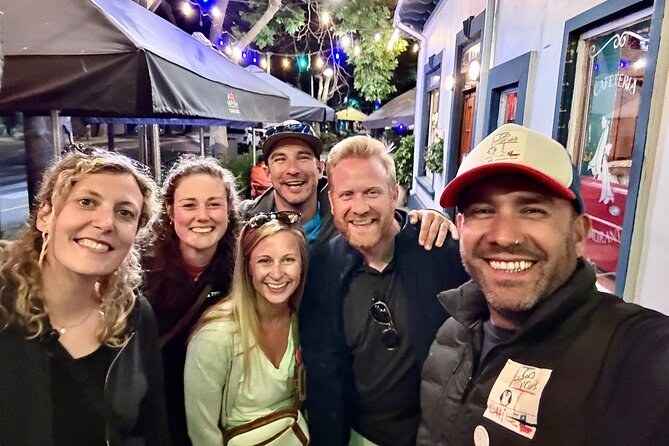
Taste 10 Types of Wine in 3 exclusive Casablanca’s Vineyard
Three Casablanca bodegas in an afternoon, with hotel pickup and a cap of six.
From $250 per person (min. 2)
Check Availability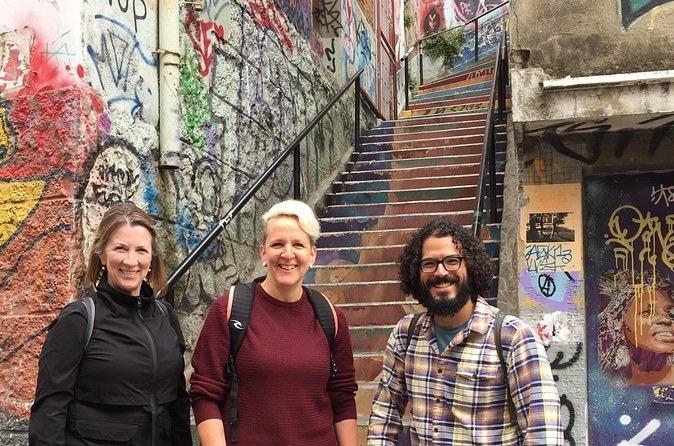
Guided Panoramic Tour in Valparaíso
The lifts rather than the stairs: three and a half hours, and step-free by its operator.
From $40 per person
Check Availability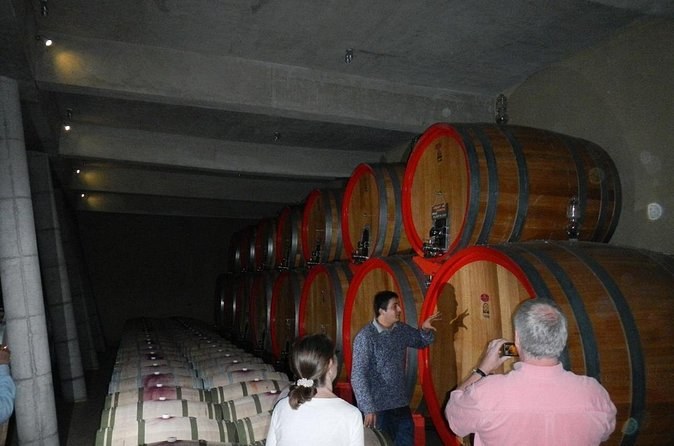
Private Wine Tour in Valparaiso
A private car to two Casablanca cellars; the tasting itself is shared, and the refund window is three days.
From $273 per person
Check Availability